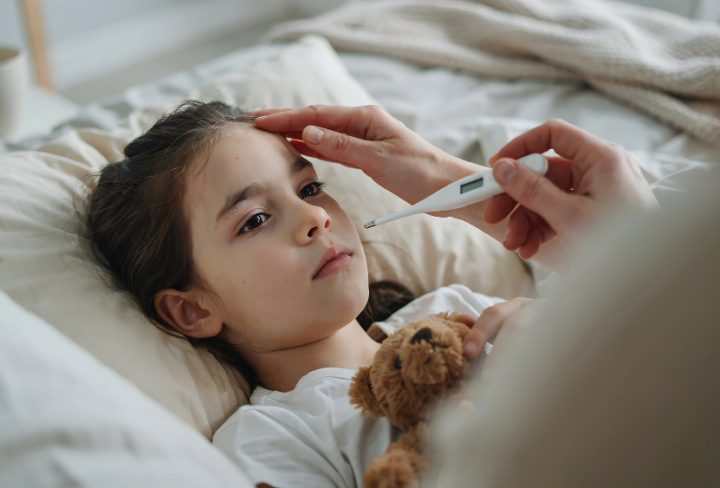
What Is Childhood Fever?
Childhood fever is a rise in body temperature above the normal range. Usually, a child’s normal temperature is about 98.6°F (37°C). However, a fever means the body temperature is 100.4°F (38°C) or higher. In fact, fever is not a disease. Instead, it is a sign that the body is fighting an infection or illness. According to the CDC, fever is common in children and often helps the body recover.
Common Causes of Fever in Children
Many things can cause childhood fever. Often, it is due to infections. For example, viruses are the most common cause. Bacteria can also lead to fever, but less often. Sometimes, other reasons may trigger a fever. Below are some common causes:
In the United States, most fevers in children are due to viral illnesses, as noted by the American Academy of Pediatrics.
Recognizing Symptoms and Warning Signs
Sometimes, fever is the only symptom. However, children may also have other signs. For instance, they might feel tired or fussy. Some may not want to eat or drink. Watch for these symptoms:
But not all symptoms are mild. Therefore, it is important to know warning signs. For example, seek help if your child:
When to Seek Medical Evaluation
At times, a fever can be managed at home. However, knowing when to call the doctor for your child’s fever is important. You should contact your healthcare provider if:
In addition, if you are unsure, it is always safe to call your doctor. The CDC recommends seeking care if you have concerns about your child’s health.
Diagnosis: What to Expect at the Doctor’s Office
When you visit the doctor for childhood fever, the healthcare provider will ask about your child’s symptoms. Next, they will check your child’s temperature. The doctor may also examine your child’s ears, throat, and chest. Sometimes, tests like a throat swab or urine sample are needed. These tests help find the cause of the fever. However, many times, no specific cause is found, especially if a virus is responsible. The doctor will explain the findings and suggest treatment if needed.
Home Care and Management Tips
Most fevers in children can be managed at home. For example, you can help your child feel better by:
Although fever can be worrying, it usually gets better in a few days. If your child’s symptoms worsen, contact your healthcare provider.
Prevention Strategies for Childhood Infections
While not all fevers can be prevented, some steps can lower your child’s risk. For instance, you can:
According to the WHO, these steps can help prevent many common childhood infections in the United States and worldwide.