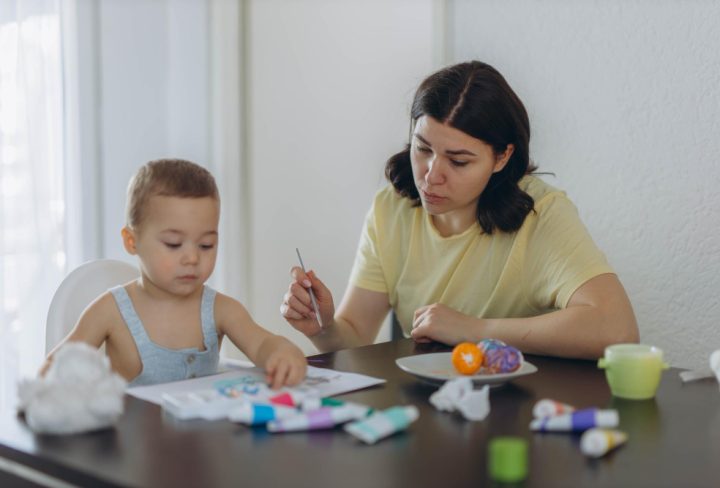
What Is Speech and Motor Development?
Speech and motor development are key parts of a child’s early growth. These skills help children talk, move, and interact with the world. For example, speech development means learning to make sounds, use words, and understand language. Motor development covers how children learn to control their bodies. This includes both big movements, like walking, and small ones, like picking up a spoon. Because these skills build over time, it is important to know what to expect at each age.
Typical Milestones by Age
Every child grows at their own pace. However, most children reach certain milestones around the same age. Knowing these can help you spot early signs of delay. Below are common milestones for speech and motor skill development in toddlers and young children:
For more details, you can check resources from the CDC or your local health provider.
Early Signs of Delay: What to Watch For
Sometimes, children do not meet milestones as expected. While some delays are normal, others may need attention. Therefore, it helps to know the warning signs. Watch for these child speech delay signs and motor skill concerns:
If you notice any of these, it may be time to seek help for speech delay or motor concerns.
Causes of Speech and Motor Delays
There are many reasons why a child may have delays. Sometimes, delays run in families. Other times, they are linked to hearing loss, brain injury, or genetic conditions. In some cases, early birth (prematurity) can affect development. However, not all delays have a clear cause. Because each child is unique, a doctor can help find the reason.
How Professionals Diagnose Delays
When you talk to your child’s doctor, they may ask about your child’s milestones. Next, they might watch your child play, speak, or move. Sometimes, they use special tests to check speech and motor skills. In addition, hearing and vision tests may be done. If needed, your child may see a speech therapist or physical therapist. These experts can spot problems early and suggest the best support.
Treatment and Support Options
Early help can make a big difference. If your child has a delay, there are many ways to support them. Treatment plans depend on your child’s needs. Some common options include:
With the right help, many children catch up to their peers.
Tips for Supporting Your Child’s Development
Parents and caregivers play a key role in child development. Even small changes at home can help. Here are some tips for supporting speech and motor development:
Because children learn by watching and copying, your support matters.
Prevention and Early Intervention
Although not all delays can be prevented, early action helps. Regular check-ups let doctors spot problems sooner. For example, newborn hearing tests can catch issues early. If you have concerns, do not wait. Early intervention programs offer help for children under age three. These services are often free or low-cost. As a result, children get the support they need to grow and learn.