Introduction
Mumps in children is a contagious viral infection that mostly affects young kids. Early recognition of mumps symptoms in kids helps parents and caregivers act quickly. Because mumps can lead to complications, knowing how to prevent and treat it is important. In this blog, you will learn about the signs, causes, diagnosis, treatment, and prevention of mumps in children. This information will help you keep your child healthy and safe.
What is Mumps in Children?
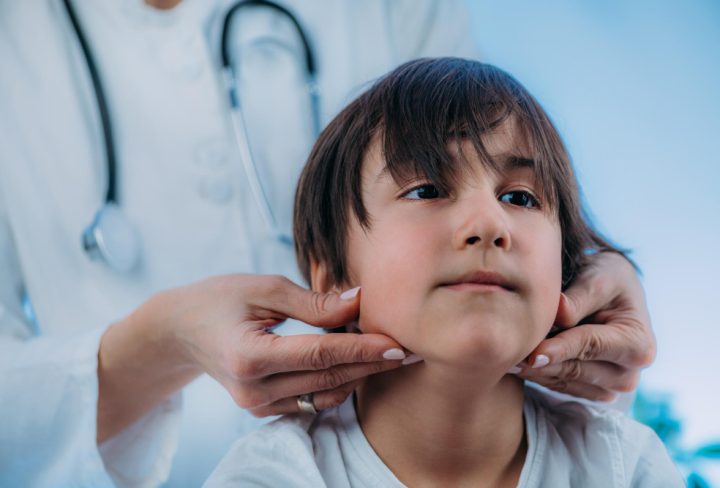
Mumps is a viral illness that causes swelling in the salivary glands, especially near the jaw. These glands make saliva, which helps with chewing and swallowing. Although mumps can affect anyone, it is most common in children who have not received the mumps vaccine. Because the virus spreads easily, outbreaks can happen in schools or daycare centers. Understanding what mumps is can help you spot it early and prevent its spread.
Common Symptoms of Mumps in Children
Usually, mumps symptoms in kids appear about two to three weeks after exposure. However, some children may have mild symptoms or none at all. Common signs include:
Sometimes, children may also have ear pain or a sore throat. If you notice these symptoms, especially swelling near the jaw, contact your doctor. Early care can help prevent complications.
Causes and How Mumps Spreads
Mumps is caused by the mumps virus. It spreads through droplets from coughs, sneezes, or talking. Because the virus lives in saliva, sharing cups, utensils, or toys can also spread mumps. Children are most contagious a few days before and after the swelling starts. Therefore, keeping sick children at home helps stop the spread. Good hygiene, like washing hands often, also reduces the risk.
How Mumps is Diagnosed in Children
Doctors usually diagnose mumps based on symptoms and a physical exam. However, because other illnesses can look similar, your doctor may order tests. These can include:
Sometimes, a doctor may use imaging tests if there are complications. Early diagnosis helps guide treatment and prevents the spread to others.
Treatment Options for Mumps in Children
There is no specific medicine to cure mumps. Instead, treatment focuses on easing symptoms and keeping your child comfortable. Most children recover fully within two weeks. Common treatment steps include:
Because aspirin can cause serious problems in children with viral infections, do not give it unless your doctor says it is safe. If symptoms get worse or new problems appear, seek medical help right away.
Prevention Tips and Vaccination
The best way to prevent mumps in children is through vaccination. The mumps vaccine is usually given as part of the MMR vaccine, which also protects against measles and rubella. According to the CDC, children should get two doses:
In addition to vaccination, you can help prevent mumps by:
Because the mumps vaccine for children is very effective, most vaccinated kids are protected. However, outbreaks can still happen, so good hygiene remains important.
Home Care and Lifestyle Guidance
While your child recovers from mumps, home care is key. For example, offer soft foods like soup or yogurt to make eating easier. Encourage your child to rest and drink water often. Using a cool cloth on swollen cheeks can help reduce pain. Also, keep your child away from others until the doctor says it is safe to return to school or daycare. This helps prevent spreading mumps to others.
When to See a Doctor
Although most children recover without problems, some may develop complications. Seek medical help if your child:
If you are unsure about your child’s symptoms, it is always best to call your doctor. Early care can prevent serious problems.
Conclusion
Mumps in children can be serious, but most kids recover with proper care. Because prevention is the best approach, make sure your child is vaccinated. If your child shows symptoms of mumps, consult a pediatrician for personalized care and guidance.