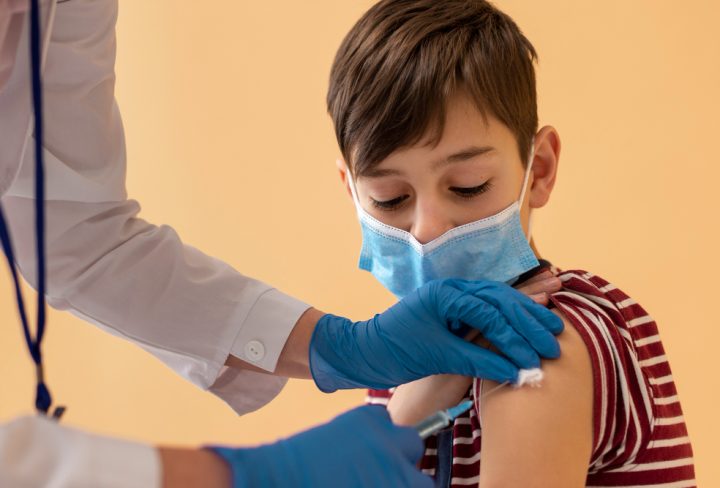
Vaccination in children protects young ones from many serious diseases. Childhood immunization helps keep your child healthy and safe. Parents often search for the best vaccine schedule for kids and want to know about pediatric vaccines. In this blog, you will learn why vaccines matter, how they work, and what you can do to keep your child protected. We will also cover common myths, safety, and tips for parents. If you are looking for vaccination clinics near me or want to follow CDC vaccine guidelines for children, this guide is for you.
What is Vaccination in Children?
Vaccination in children means giving special shots to protect them from diseases. These shots are called vaccines. Vaccines help the body build a defense against germs. When a child gets a vaccine, their body learns how to fight certain illnesses. For example, vaccines can prevent measles, mumps, and polio. Most vaccines are given as a shot in the arm or leg. Some may be given by mouth or nose. Because vaccines are given early, children stay safe as they grow.
Why Are Vaccines Important for Children?
Vaccines are very important for children. First, they protect your child from serious diseases. Many of these diseases can cause lasting harm or even death. Second, vaccines help stop the spread of illness in your family and community. When most children get vaccinated, diseases have less chance to spread. Also, some children cannot get vaccines due to health problems. When your child is vaccinated, you help protect others too.
Recommended Vaccine Schedule for Children
The CDC and WHO provide a vaccine schedule for kids. This schedule tells you when your child should get each vaccine. Following the schedule gives the best protection. Your pediatrician can help you keep track. Most vaccines are given in the first two years of life. However, some need booster shots later. You can find the latest schedule at the CDC website or ask at vaccination clinics near you.
Always check with your doctor for updates or changes to the schedule.
Common Myths and Facts About Childhood Vaccines
Many parents hear myths about vaccines. However, it is important to know the facts. For example, some people think vaccines cause autism. But, many studies show vaccines do not cause autism. Others worry that vaccines have harmful ingredients. In truth, vaccines are tested for safety and use only safe amounts of ingredients. Some believe natural infection is better than vaccination. Yet, natural infection can be dangerous and lead to serious problems.
Safety and Side Effects of Pediatric Vaccines
Vaccines for children are very safe. Before approval, they go through many tests. The CDC and WHO watch for any problems after vaccines are given. Most side effects are mild and go away quickly. For example, your child may have a sore arm, mild fever, or feel tired. Serious side effects are very rare. If you notice anything unusual, call your doctor right away. Remember, the risk of disease is much higher than the risk from vaccines.
Tips for Parents: Preparing Your Child for Vaccination
Getting a vaccine can make children nervous. However, there are ways to help. First, talk to your child about what will happen. Let them know shots help keep them healthy. Bring a favorite toy or book for comfort. You can also ask the nurse to use a numbing cream if your child is very worried. After the shot, praise your child for being brave. If your child has a fever or sore arm, give them extra care and fluids. Always follow your doctor’s advice.
Prevention and Community Benefits
Vaccination in children does more than protect your own child. It also helps keep your whole community safe. When many people are vaccinated, diseases cannot spread easily. This is called herd immunity. Because of herd immunity, even those who cannot get vaccines are protected. For example, babies too young for some shots and people with certain health problems depend on others to be vaccinated. By following the CDC vaccine guidelines for children, you help stop outbreaks and keep everyone healthier.
In summary, vaccination in children is a safe and proven way to protect your child and your community. For the best advice, consult your pediatrician for personalized vaccination guidance for your child.