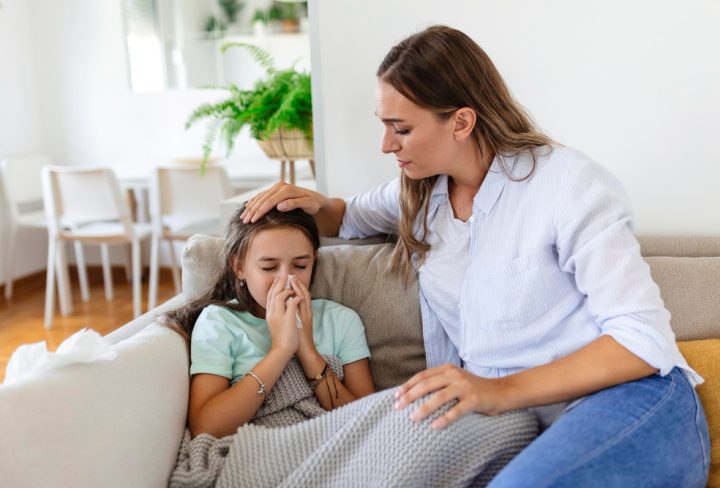
What is Seasonal Flu in Children?
Seasonal flu in children is a common illness caused by the influenza virus. Every year, many kids get the flu, especially during fall and winter. The flu spreads easily in schools and daycare centers. For most children, the flu causes mild symptoms. However, some kids can get very sick. Because of this, parents often wonder when to worry about the flu. Knowing the basics helps you keep your child safe.
Common Symptoms of Seasonal Flu
Flu symptoms in kids can appear quickly. While some signs are mild, others may be more severe. For example, your child may start feeling unwell within one to four days after being exposed. Watch for these common symptoms:
Because flu symptoms can look like other illnesses, it is important to watch your child closely. If symptoms get worse, you may need to seek help.
Causes and How the Flu Spreads
The flu is caused by influenza viruses. These viruses change often, so people can catch the flu more than once. Children can get the flu by breathing in droplets from coughs or sneezes. Also, touching surfaces with the virus and then touching their face can spread the flu. Since kids often play close together, the flu spreads quickly among them. For this reason, good hygiene is very important.
When Should Parents Worry?
Most cases of seasonal flu in children are mild. However, some warning signs mean you should call your doctor right away. If your child has any of these red flags, seek medical help:
Additionally, children with chronic health problems, like asthma or diabetes, are at higher risk for severe flu. Therefore, always watch these children closely during flu season.
How Seasonal Flu is Diagnosed in Children
Doctors often diagnose the flu based on your child’s symptoms and a physical exam. Sometimes, they may use a swab from the nose or throat to test for the flu virus. These tests can give quick results. However, not every child needs a test. If your child is very sick or at high risk, testing may help guide treatment. Always follow your doctor’s advice about testing.
Treatment Options for Children with Flu
Most children with the flu get better at home with rest and fluids. However, some may need medicine. Doctors may prescribe antiviral drugs if your child is at high risk or very sick. These medicines work best if started within two days of symptoms. Over-the-counter medicines can help with fever and pain, but never give aspirin to children. Aspirin can cause a rare but serious illness called Reye’s syndrome. Always check with your doctor before giving any medicine.
Home Care and Comfort Measures
At home, you can help your child feel better with simple steps. For example, make sure your child:
Additionally, keep your child home from school or daycare until they are fever-free for at least 24 hours. This helps prevent spreading the flu to others.
Prevention Tips for Parents
Preventing seasonal flu in children is possible with a few key steps. Most importantly, make sure your child gets a yearly flu vaccine. The CDC and WHO recommend flu shots for everyone over six months old. In addition, teach your child to:
Because the flu can be serious, these steps help protect your child and others around them.