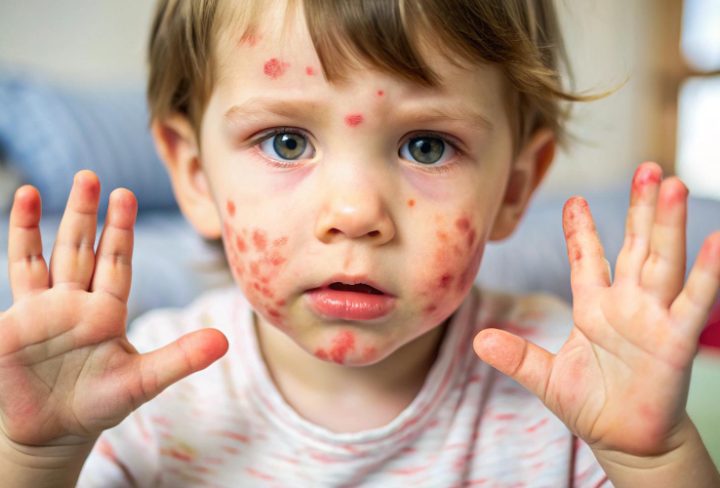
Introduction to Hand, Foot, and Mouth Disease (HFMD)
Hand, foot, and mouth disease (HFMD) is a common illness in young children. It often causes a rash on the hands, feet, and inside the mouth. Many parents worry about the causes of hand, foot, and mouth disease in children. Understanding how HFMD spreads can help you protect your child. According to the Centers for Disease Control and Prevention (CDC), HFMD is usually mild, but it can spread quickly in schools and daycare centers.
Primary Causes of HFMD in Children
Most cases of HFMD are caused by viruses. The two main viruses are:
Both viruses belong to a group called enteroviruses. These viruses live in the digestive tract and can spread easily among children.
How HFMD Spreads Among Children
HFMD spreads from person to person. Children can catch the virus in several ways. For example, the virus can pass through:
Because children often play closely together, the virus spreads quickly in places like daycare centers and playgrounds. In addition, the virus can live on surfaces for several hours.
Risk Factors and Common Sources of Infection
Some children are more likely to get HFMD. For instance, children under five years old are at the highest risk. However, older children and adults can also get infected, though it is less common. The most common sources of infection include:
Additionally, outbreaks often happen in the summer and early fall in the United States. But cases can occur year-round.
Prevention Tips for Parents and Caregivers
While there is no vaccine for HFMD, you can take steps to lower your child’s risk. Here are some helpful HFMD prevention tips:
Moreover, remind children to avoid touching their eyes, nose, and mouth. Good hygiene can help stop the spread of the virus.
Summary and Actionable Advice
In summary, the causes of hand, foot, and mouth disease in children are mainly viruses like Coxsackievirus A16 and Enterovirus 71. HFMD spreads easily in group settings, especially among young children. However, simple steps like handwashing and cleaning can help prevent infection. If you suspect your child has hand, foot, and mouth disease, consult a pediatrician for personalized advice.